
Dealing with a damaged roof can be stressful, especially when you’re unsure about the costs involved. Roof repairs vary widely in price, typically ranging from $379 to $1,800, with most homeowners paying around $1,060. The cost of your roof repair will depend on several factors including the extent of damage, roofing materials, and your location.
Simple fixes like replacing a few shingles might cost as little as $150-$200, particularly if you have a relationship with the contractor. More extensive damage involving multiple areas or structural issues will push costs toward the higher end of the range. In Minnesota, for example, complete roof replacements can cost between $25,000 to $45,000, making repairs a much more economical option when possible.
Understanding repair costs helps you budget appropriately and avoid surprises. Professional roofers typically charge for both materials and labor, with some offering free inspections to assess damage before providing an estimate. Getting multiple quotes can help ensure you’re paying a fair price for quality work.
Key Takeaways
- Roof repair costs typically range from $379 to $1,800, with factors like damage extent, materials, and location affecting the final price.
- Minor repairs like replacing a few shingles may cost as little as $150, while more extensive structural repairs will cost significantly more.
- Getting multiple professional estimates helps ensure fair pricing and quality workmanship for your roofing project.
Understanding Roof Repair Costs
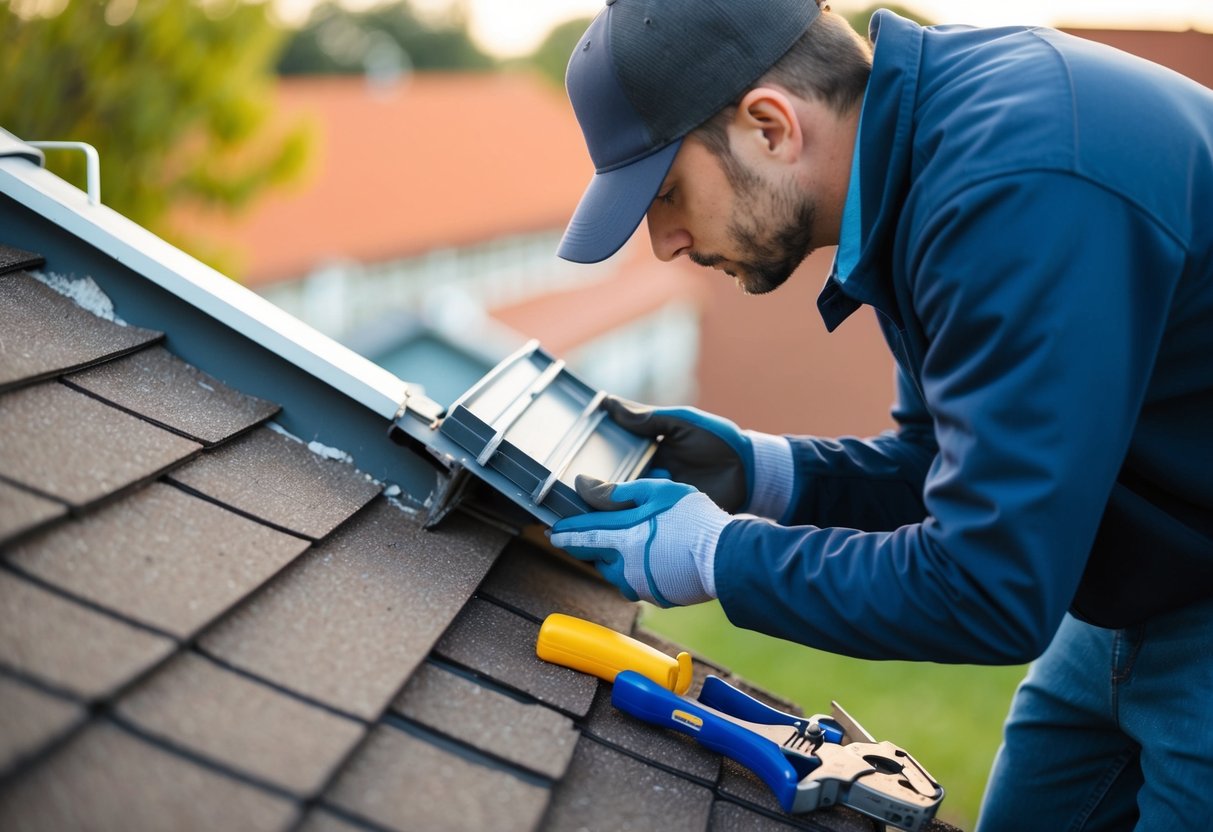
Roof repair costs vary widely based on several factors that affect both materials and labor. Most homeowners can expect to pay between $380 and $1,800 for typical repairs, with an average cost of around $1,060.
Factors Influencing Repair Pricing
Project size significantly impacts repair costs. Small jobs like replacing a few missing shingles might cost $150-$200, while extensive damage could run $1,000+.
Roofing materials play a crucial role in pricing. Asphalt shingles are less expensive to repair than metal, slate, or tile roofs. Premium materials typically require specialized skills and tools.
Roof accessibility affects labor setup costs. Steep slopes, multiple stories, or difficult access points increase time and safety requirements, raising the price.
Geographic location matters too. Urban areas with higher living costs often have higher repair rates than rural regions.
Some contractors charge a minimum service fee regardless of project size, typically $200-$300, which covers travel time and basic safety hazard assessment.
Importance of Repair Timeliness
Addressing roof issues promptly prevents minor problems from becoming major expenses. A small leak that costs $300 to fix today might lead to structural damage requiring $1,000+ in repairs if ignored.
Water damage extends beyond the roof into ceilings, insulation, and electrical systems. This damage multiplies repair costs and creates health risks from mold growth.
Many roofing companies offer free inspections to assess damage. This helps homeowners understand the full scope of needed repairs before committing to work.
Regular maintenance extends roof lifespan and improves customer satisfaction. Annual inspections can identify potential issues before they cause leaks or structural problems.
When repair costs approach 30% of replacement cost (typically $5,900-$12,900), consider a full roof replacement instead of continued repairs.
Roof Inspection and Maintenance
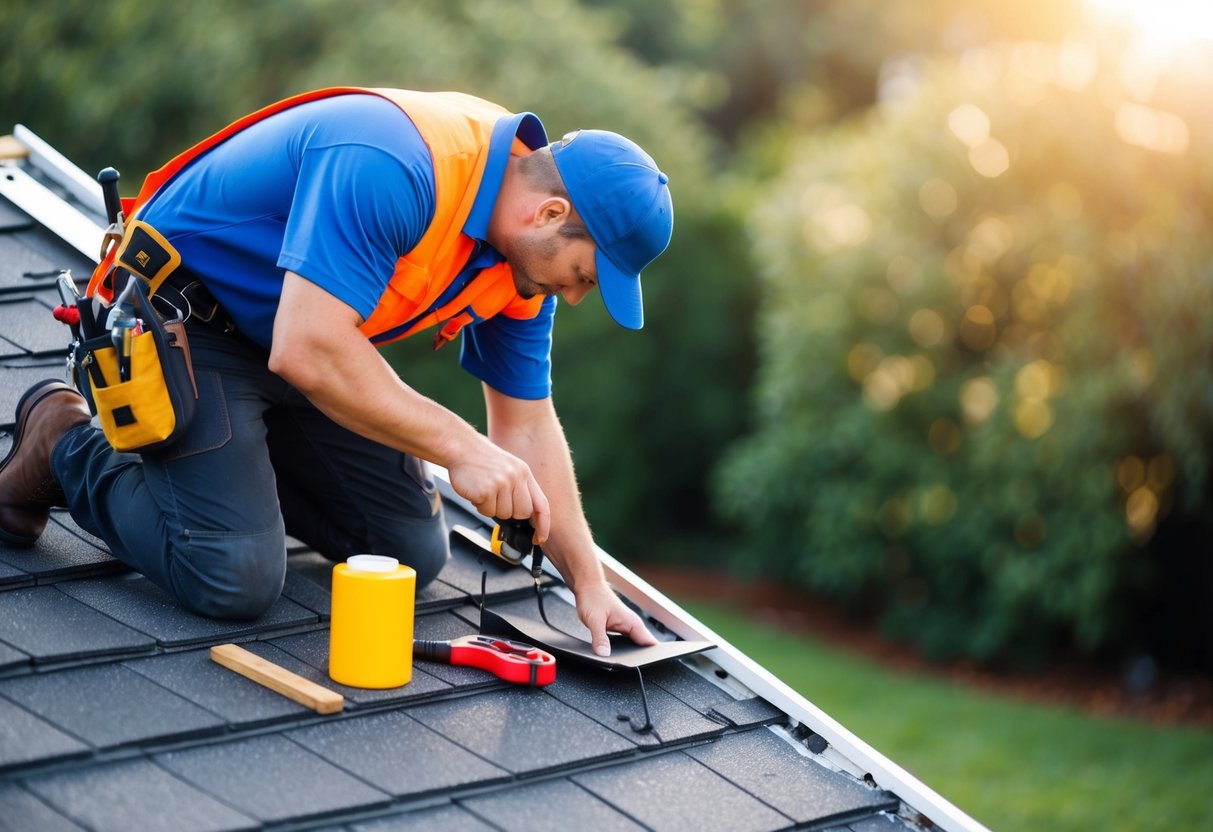
Regular roof inspections and preventive maintenance can save homeowners significant money by catching small issues before they become costly repairs. Professional inspections typically cost between $120 and $400, depending on roof size and complexity.
Identifying Common Roof Issues
Professional roofing contractors look for several key problems during inspections. Missing or damaged shingles are often the first sign of trouble and can lead to leaks if not addressed promptly. Inspectors check flashing around skylights, chimneys, and vents for deterioration or separation that might allow water entry.
Sagging areas on the roof indicate potential structural issues that require immediate attention. Water stains on interior ceilings or walls suggest active leaks. Granules from asphalt shingles in gutters point to advancing shingle wear.
Professionals also examine the attic for proper ventilation and signs of moisture intrusion. Poor ventilation can reduce shingle lifespan and create condensation problems.
Preventive Strategies and Care
Homeowners should schedule professional roof inspections at least once every 1-2 years. After severe storms, additional inspections are recommended to identify potential damage.
Simple maintenance tasks can extend roof life significantly:
- Keep gutters clean and free of debris
- Trim overhanging tree branches that could damage shingles
- Remove moss and algae growth promptly
- Check and maintain proper attic ventilation
- Replace damaged or missing shingles immediately
Seasonal inspections by homeowners can catch obvious issues. Look for cracked caulk around roof penetrations, rust spots on flashing, and shingle damage.
Addressing minor problems quickly prevents them from becoming safety hazards or extensive damage requiring costly repairs. A small investment in maintenance can avoid the $5,900 to $12,900 average cost of complete roof replacement.
Calculating Your Roof Repair Project
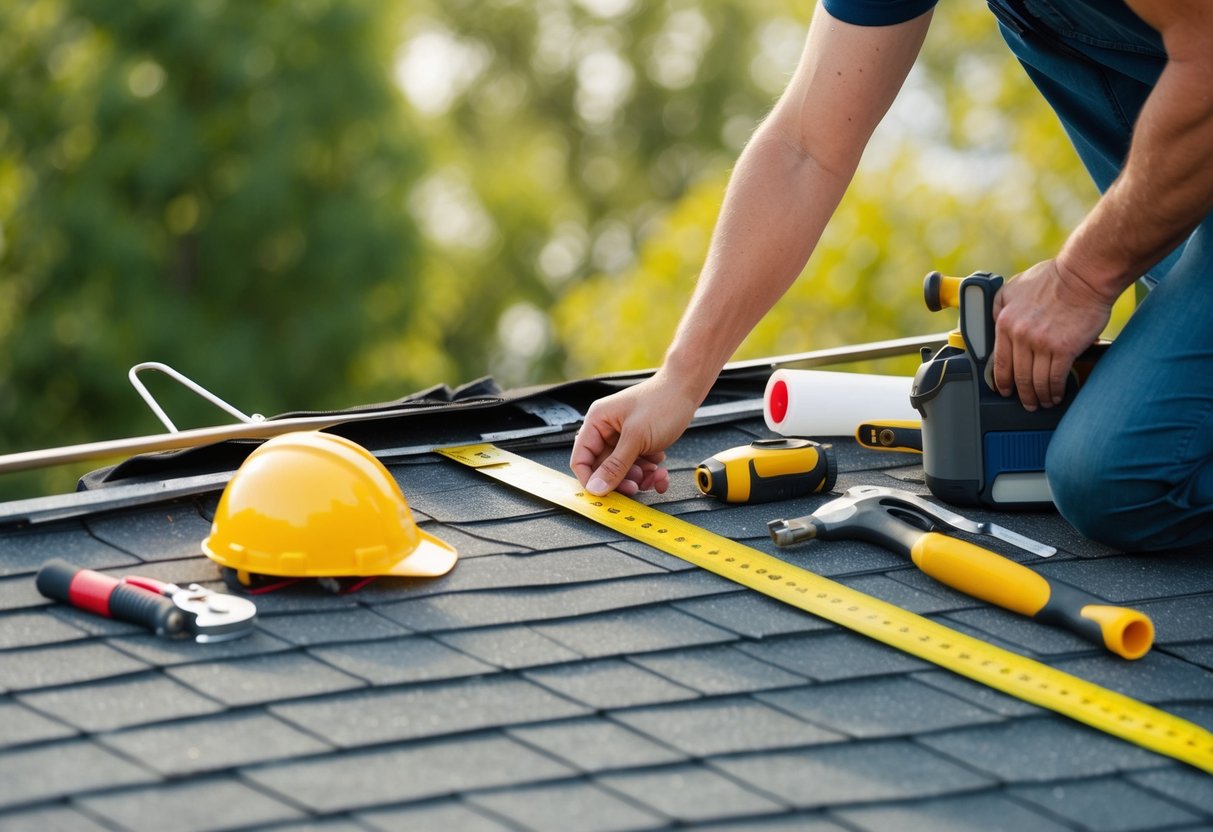
Understanding the cost of your roof repair project requires looking at several factors. The location, materials, and extent of damage all affect the final price you’ll pay.
Using a Cost Calculator
Online roof repair calculators can give you a good estimate of your project costs. These tools often ask for your zip code, as prices vary by location. A repair in Michigan might cost differently than one in Florida due to local labor rates and material availability.
Most calculators require the size of your roof and the type of damage. Be ready to enter measurements in square feet. Some tools will ask about your roofing material – asphalt shingles typically cost $4-$6 per square foot, while other materials may be higher.
Many calculators also factor in project options like the difficulty of access or the steepness of your roof. These elements can increase labor costs significantly.
Estimating Materials and Labor
The unit cost method is the most accurate way to calculate roof repair expenses. This breaks down prices into:
- Materials: Roofing materials like asphalt shingles, flashing, and underlayment
- Labor: Worker hours including setup and cleanup time
- Overhead: General contractor fees and supervision costs
For minor repairs like replacing missing shingles, expect to pay $150-$350. More significant issues like water damage repairs can range from $500-$1,000.
Labor typically accounts for 60-70% of your total cost. Skilled roofers charge more but often complete work faster and with better quality. Material costs vary based on quality and type, with premium materials lasting longer but costing more upfront.
Working with Roofing Professionals
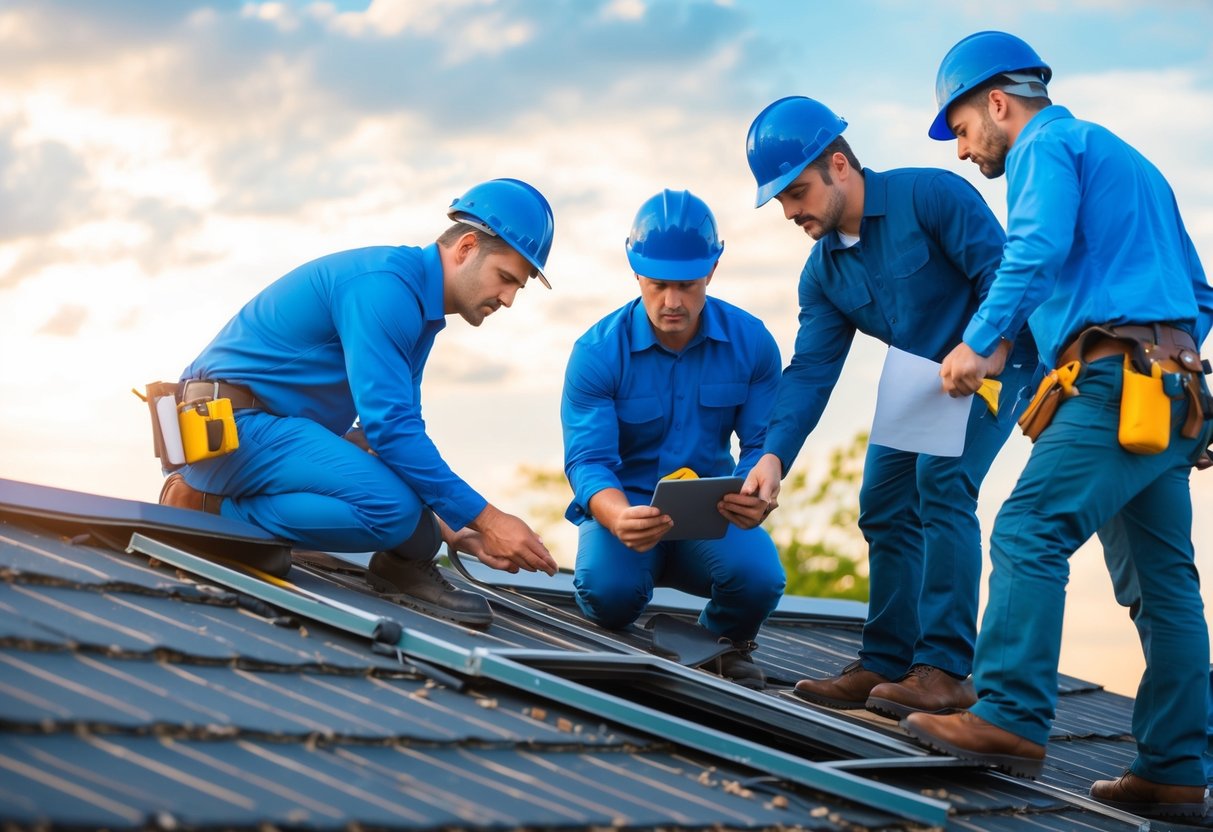
Finding the right roofing professional is crucial for quality repairs at a fair price. The right contractor will provide accurate estimates and deliver work that lasts.
Hiring Local Professionals
Local roofing professionals often offer more competitive rates than large companies. They typically charge between $150-$550 for minor repairs, depending on your relationship with them and the scope of work. When searching for contractors, ask neighbors for recommendations of roofers who have done good work in your area.
Getting estimates: Most roofing contractors provide free estimates for repair work. Request quotes from at least three different professionals to compare prices.
Always verify:
- Proper licensing
- Insurance coverage
- Local references
- Years of experience in your area
Local professionals often have established relationships with material suppliers, potentially reducing costs for your project.
Ensuring Quality and Accountability
Quality work saves money in the long run by preventing future repairs. Most reputable roofing contractors charge an all-in price per square that includes both labor and materials.
Contract requirements:
- Detailed scope of work
- Material specifications
- Timeline for completion
- Payment schedule
- Warranty information
Ask contractors about their quality control process. Good roofers will inspect their work thoroughly before considering the job complete.
Customer satisfaction should be a priority for any professional you hire. Check online reviews and ask for pictures of previous repair work similar to yours.
Remember that the lowest bid isn’t always the best choice. General contractor overhead costs contribute to higher prices but often ensure better project management and accountability.
Deciding Between Repair and Replacement
Choosing between roof repair and replacement depends on several factors including the extent of damage, age of your roof, and your budget. Most homeowners face this decision at some point during their property ownership.
The cost difference between repair and replacement is significant. According to search results, minor roof repairs typically range from $150 to $1,000, while more extensive repairs can cost up to $3,000.
In contrast, a full roof replacement generally costs between $5,000 and $10,000, though prices can go higher depending on materials and home size.
Age is a crucial factor in this decision. If your asphalt shingles roof is over 20 years old, replacement might be more cost-effective than repeated repairs, even if the immediate repair cost seems lower.
Consider the extent of damage carefully. Isolated issues like a few missing shingles or small leaks can usually be repaired. However, widespread problems affecting more than 30% of the roof often justify replacement.
Safety concerns should take priority. A severely damaged roof can become a safety hazard, putting your family at risk and potentially causing more extensive property damage.
Some insurance policies might cover roof replacement for certain types of damage. Check your coverage details, as this could significantly affect your decision.
Remember that permits are typically required for full replacements but not always for simple repairs. This additional step adds to both the timeline and paperwork involved in replacement projects.
Frequently Asked Questions
Roof repair costs vary based on several important factors including materials, damage extent, location, and labor rates. Understanding these variables helps homeowners budget appropriately for necessary fixes.
What factors influence the cost of repairing a roof?
The type of roofing material significantly impacts repair costs. Asphalt shingles are generally less expensive to repair than metal, slate, or tile roofs.
The extent of damage plays a crucial role in determining costs. Small, localized issues cost less than widespread damage requiring extensive work.
Geographic location affects pricing due to regional labor rates and building code requirements. Urban areas typically have higher repair costs than rural regions.
Roof accessibility and pitch also influence costs. Steep or complex roofs require more safety equipment and labor time, increasing the overall expense.
What is the average labor cost associated with fixing a roof?
Roofers typically charge between $50 and $80 per hour for repairs. Labor usually makes up 60-70% of the total repair cost.
Most professional roof repair companies have minimum service charges ranging from $150 to $300 even for small jobs. This covers transportation, setup time, and basic materials.
Some contractors charge by the “square” (100 square feet) rather than hourly, with rates varying from $100 to $350 per square depending on the repair complexity.
How does the size of the roof impact the overall repair expenses?
Larger roofs naturally require more materials, increasing the overall cost. A small patch on a large roof might cost the same as on a small roof, but extensive damage creates a bigger price difference.
Roof size impacts labor time, especially for repairs that affect large sections. More square footage means more time spent installing materials and ensuring proper integration with existing roofing.
The scale of equipment needed also changes with roof size. Larger roofs might require additional safety equipment, scaffolding, or specialized tools that add to the total cost.
Can you provide an estimate for repairing a small leak on a roof?
A small leak repair typically costs between $150 and $550 depending on accessibility and underlying damage. This includes finding and fixing the source of the leak.
Simple patch jobs for asphalt shingle roofs might cost $100-300, while metal roof patches tend to run $300-500. The cost includes materials and labor for a professional repair.
Emergency leak repairs often include a premium charge of 25-50% above standard rates, especially during or immediately after storms.
What are the typical costs involved in major roof repair projects?
Major structural repairs, such as fixing damaged rafters or decking, typically cost $1,000 to $3,000 depending on the extent of damage. These repairs address fundamental roof support issues.
Extensive shingle replacement covering multiple areas can range from $1,000 to $3,500. This includes removing damaged sections and integrating new materials with the existing roof.
Repairing significant water damage may cost $2,000 to $7,000 when including both roof fixes and interior ceiling or insulation repairs. Water penetration often creates cascading damage issues.
Is roof damage typically covered by homeowners insurance and to what extent?
Most homeowners insurance policies cover roof damage caused by sudden, unexpected events like storms, fallen trees, or fire. The coverage typically includes repair or replacement costs.
Damage from normal wear and tear, aging, or poor maintenance is generally not covered by insurance. Most policies exclude gradual deterioration that happens over time.
Insurance coverage often depends on the roof’s age and condition. Many policies offer full replacement cost coverage for newer roofs but apply depreciation to older roofs, providing only actual cash value.


Bob Smith is a roofing expert with 20 years of experience in the industry. Passionate about educating homeowners, he provides expert insights on roofing materials, maintenance, and best practices. With a background in roofing inspections, Bob Smith simplifies complex topics to help readers make informed decisions about their roofs. When not writing, he enjoys golfing and staying up-to-date with the latest roofing trends.
